During the pandemic, I found myself taking a hard look at our online nurse residency program that had existed for years and asking whether it still met the needs of the people it was designed to serve. As I considered what changes might be needed, I started with what I believe is the most important question any program leader can ask: Why does this program exist? What do we want it to accomplish for nurses? For organizations? For patients?
I am a very visual person, so as I worked through those questions, I grabbed my planner and started sketching. At the foundation were the things most nurse residency programs focus on: knowledge, skills, critical thinking, communication, and the ability to safely manage patient care. Higher up was the ability to see the bigger picture, contribute to improvements, and become fully engaged in the work. As I stared at the sketch, something stood out to me. We wanted nurses to gain the knowledge, skills, and abilities needed to be successful in their role. We wanted them to practice safe care within the interdisciplinary team. We wanted them to move beyond simply completing tasks and begin identifying problems, contributing to solutions, and engaging with their teams, organizations, and profession in meaningful ways. But did we have all the ingredients to make that happen?
We were intentionally working on improving competency. We had put things in place to help nurses feel safe, supported, and connected to their teams. We also knew confidence was important, yet we were largely relying on the passing of time and skill mastery to help develop it. Even then, it felt like there was more to it. That is when I started thinking about value. Yes, nurses needed confidence, but they also needed to know their value, both inherently and as contributing members of the healthcare team. As I sketched out these concepts, it immediately reminded me of Maslow's Hierarchy of Needs. What I was describing looked remarkably similar and, when I dove in, I found that this combination of confidence and value was exactly how Maslow describes esteem. It isn't an either/or. It is both our own sense of competence, mastery, achievement, adequacy, and independence and the recognition, respect, and appreciation we receive from others (McLeod, 2025). Suddenly, confidence and value no longer felt like separate ideas. Esteem captured both. It reflected not just how we see ourselves, but also how we believe others see us.
Once I had language for what I was seeing, I started looking at our residency program differently. For years, we had encouraged residents to journal, set goals, reflect on their progress, and participate in regular check-ins with leaders and mentors. At the time, I described these activities as supporting competency development, promoting safety, or fostering belonging within the organization.
We also began placing a greater emphasis on intrapersonal skill development. While nurse residency programs spend a great deal of time helping nurses develop professional and clinical skills, we wanted to be equally intentional about helping them develop the human skills needed to navigate challenge, uncertainty, growth, and setbacks. We began incorporating topics such as self-awareness, self-regulation, optimism, values, purpose, and grit into the residency experience all in an effort to really help build esteem. These components helped nurses make sense of their experiences, recognize their growth, and develop a stronger sense of who they were becoming as professionals. What I had not fully connected was the mechanism by which many of these activities were contributing to esteem development.
This month, a conversation with Rachel Kelter on the Beyond Nurse Residency podcast caused me to look at these efforts through a different lens. During our discussion, Rachel talked about the importance of having evidence that you are capable, worthy, and valued. Not just in the big achievements and milestones, but in the small everyday experiences. When I looked back at many of the activities we had built into our program, I realized they did just this. They help nurses collect evidence.
"Esteem is built one piece of evidence at a time, through both the moments we recognize in ourselves and the moments others reflect back to us."
The journal becomes a place to document growth and recognize that they do know what they are doing. Tracking goals becomes evidence that they are progressing and developing new skills. The check-in becomes an opportunity for someone else to recognize strengths and accomplishments that may otherwise go unnoticed. The encouraging email, thank-you note from a patient, or compliment from a colleague becomes more than a feel-good moment. All of these activities become evidence. Evidence that I am growing, that I know what I am doing, that I can contribute, and that my contributions matter.
The challenge of course is that collecting evidence takes time. New nurses do not begin practice with enough evidence to fully trust themselves. That is where another idea Rachel shared really got me thinking. She described the concept of borrowed confidence. Before nurses have gathered enough evidence to feel fully confident in what they are doing, they often borrow it from preceptors who trust them, leaders who recognize their growth, mentors who encourage them, and educators who help them see progress they cannot yet see for themselves.
That is what makes the idea of esteem so interesting to me. It is not built solely through personal achievement or internal reflection. It is also shaped through relationships and interactions with others. The evidence we gather ourselves matters, but so does the evidence that is reflected back to us by the people around us. Over time, those interactions become evidence that I am capable, that I can contribute, and that my contributions matter. Perhaps that is why esteem feels so important to conversations about engagement. People are far more likely to engage in something when they see themselves as capable and believe their contributions matter. Interested in exploring this topic and more? Check out our latest episode on your preferred listening platform or click below.
Listen to the episode with Rachel Kelter
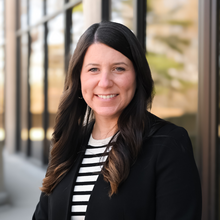
Nicole Weathers, DNP, RN, NPD-BC
Iowa Online Nurse Residency Program Director
nicole-weathers@uiowa.edu
Wanting a Program Overview? Need to schedule a meeting? Book time with Nicole
Get all the latest IONRP news. Join our mailing list! Subscribe
References:
McLeod, S. (2025, May 17). Maslow's hierarchy of needs. Simply Psychology.