When we talk about transition to practice, it’s easy to put our focus on this one question: Is this nurse competent to do the job? And while competency is essential, as we discussed in last month’s blog, it is not sufficient on its own.
In our most recent Beyond Nurse Residency podcast conversation, Dr. Jose Arnold Tariga offered a great reminder that a successful transition is shaped by far more than clinical skills. His insights, particularly around the experience of internationally educated nurses, help us see how support and connection determine whether competence can truly translate into confidence and a successful transition.
So perhaps the better question is, not can they do the job, but rather “Will they feel supported, connected, and equipped to thrive here?”
For internationally educated nurses, this question is especially important. The anticipation of moving to a new country, starting a new job, beginning a new role, and navigating an unfamiliar healthcare system can be immense. Long before a nurse ever steps onto a unit, they are already managing significant cognitive, emotional, and logistical load.
Dr. Tariga emphasized the importance of anticipatory guidance (support that begins well before arrival) as being a key strategy leading to success. This might include:
- Introductions to the electronic health record
- Common language, slang, or communication norms used within the region
- Expectations of the care environment
- Differences in documentation, delegation, or workflow
These seemingly simple steps help reduce the cognitive load that already comes with uprooting one’s entire life. By lowering unnecessary stress, organizations create the conditions that allow learning to occur.
Another theme that came up in our conversation was something we have hit on before and the entire purpose of our Coaching Academy, and that is:
We can’t focus solely on preparing the nurse; we must prepare the organization.
Preceptors, nurse leaders, and professional development practitioners all benefit from education about the transition experience itself. In the case of an internationally trained nurse, it is important to focus on things such as:
- The cultural context of the nurse’s home country
- Norms around authority, communication, and teamwork
- Differences in training, autonomy, and expectations
Dr. Tariga shared an example that brings this to life. In many countries, questioning a physician, or any authority figure, is considered disrespectful. Yet in the U.S., our culture of safety depends on and even encourages nurses speaking up. Without shared understanding, an internationally educated nurse may hesitate to speak up, not because they lack knowledge or concern, but because they are navigating deeply ingrained professional norms.
When the receiving team is prepared and understands these nuances, they can intentionally create psychological safety and provide reassurance, allowing nurses to acclimate without fear of doing something “wrong.”
Dr. Tariga left us the powerful challenge, “We need to shift from a recruitment mindset to an integration mindset.”
This means focusing just as much on the experience after a nurse arrives as we do on getting them in the door. That shift starts with recognizing that transition experiences are not just about skills. They are shaped by safety, belonging, identity, and the systems we build around the people we welcome into our organizations.
As we talked, I kept thinking about how critically important these same ideas are for new graduate nurses and experienced nurses transitioning to new roles. In many ways, internationally educated nurses expose system-level gaps that exist across all recruitment and transition programs.
I learned so much from this conversation, and I’m grateful for the insights Dr. Tariga shared. While our focus was internationally educated nurses, the lessons apply far beyond that group. At its core, this is about designing environments where every nurse, regardless of background, can thrive, contribute, and choose to stay.
Listen to the episode with Dr. Tariga
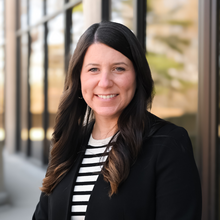
Nicole Weathers, DNP, RN, NPD-BC
Iowa Online Nurse Residency Program Director
nicole-weathers@uiowa.edu
Wanting a Program Overview? Need to schedule a meeting? Book time with Nicole
Get all the latest IONRP news. Join our mailing list! Subscribe