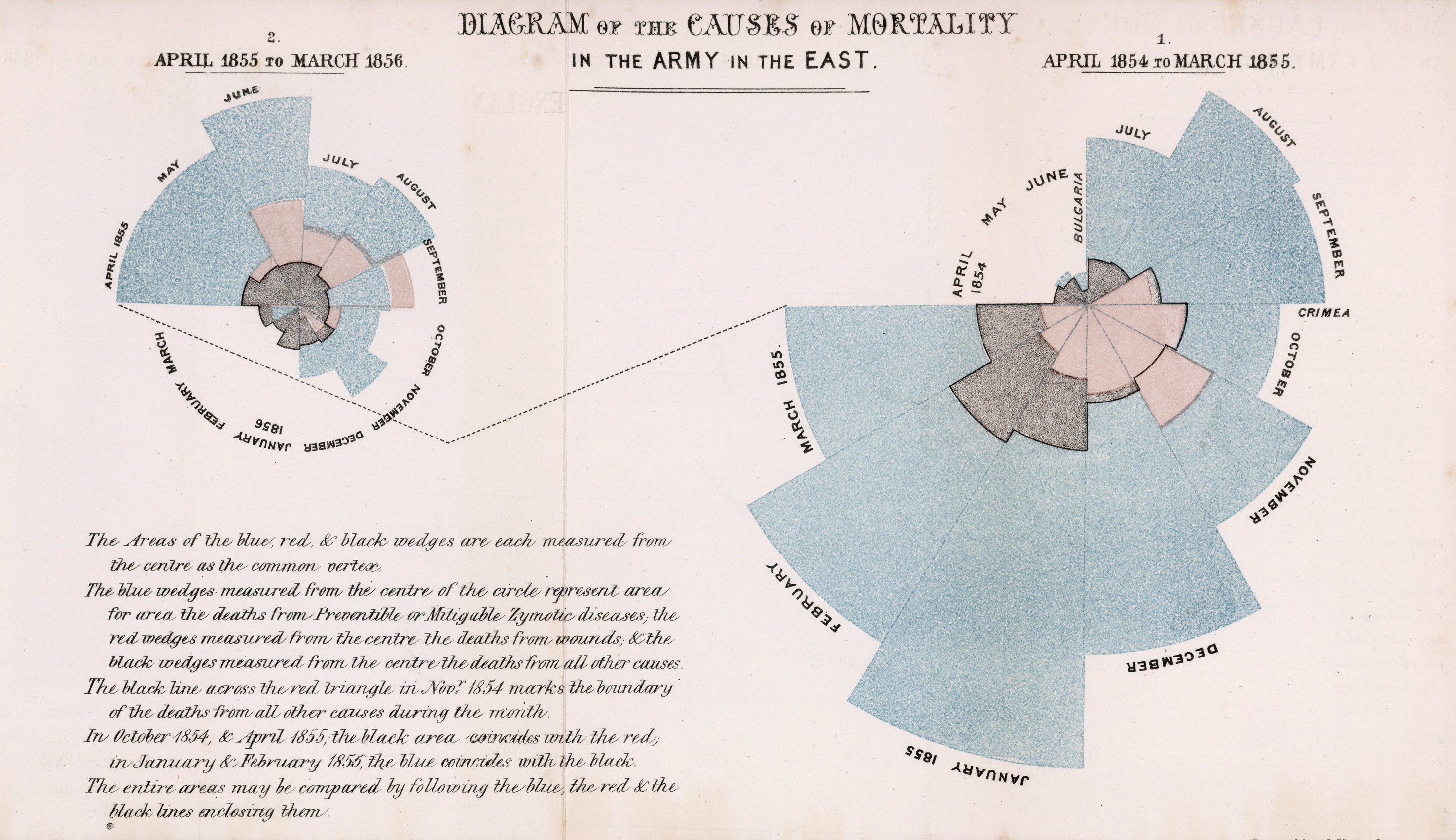
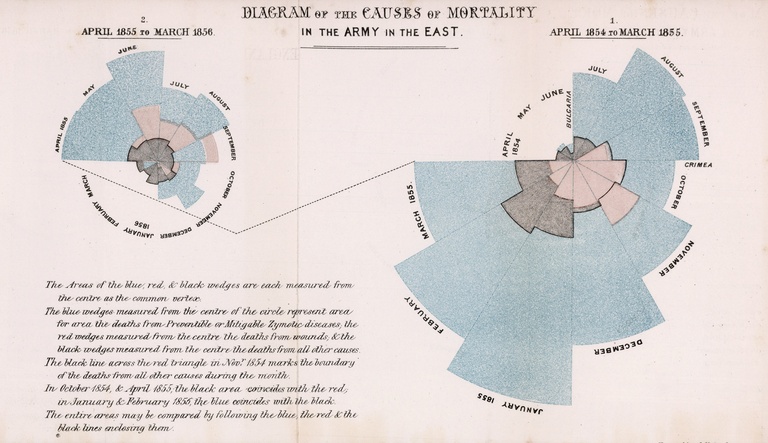
At the end of the Crimean war, Florence Nightingale returned to Britain horrified by what she had seen—soldiers were needlessly dying from disease, infections, and overcrowding in the hospital wards. Leaders at the time were convinced this was inevitable, until Nightingale and a team of experts proved them wrong.
Focusing on sanitary reforms, like clean sewers and less crowding, the challenge was how to make those leaders understand the data and the facts on the ground. Having the data wasn’t enough – it needed to be presented in an accessible and attractive way. Telling the story through creative prose and colorful diagrams, Nightingale made the realities hard to ignore. The union of visual storytelling and science saved thousands of soldiers’ lives and impacted the future of public health worldwide.
Nightingale and her team of collaborators would fit in well at the University of Iowa. Uniquely positioned as a leader in both the arts and the sciences, Iowa encourages exploration across the disciplines and supports innovative collaborations.
Nursing is both an art and a science, and nurses are routinely called upon to adapt and be creative. Medication regimens and daily cares may be standardized, but the beautiful chaos of human emotions and existence reliably brings the unexpected. How do the arts play into this creativity and the art of nursing? Does having access to strong arts programming and facilities on campus make a difference for our future nurses?
We spoke with Hawkeye nurses who are artists, studied the arts, or use the arts in their work to help answer these questions.
THE ART OF COMMUNICATION
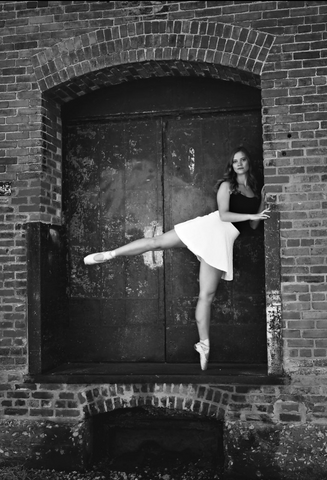
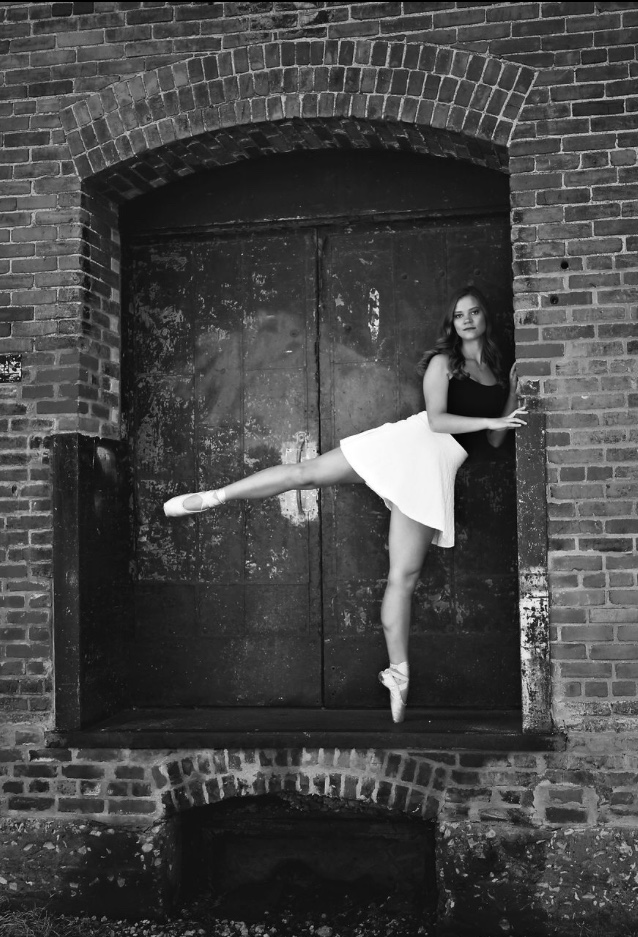
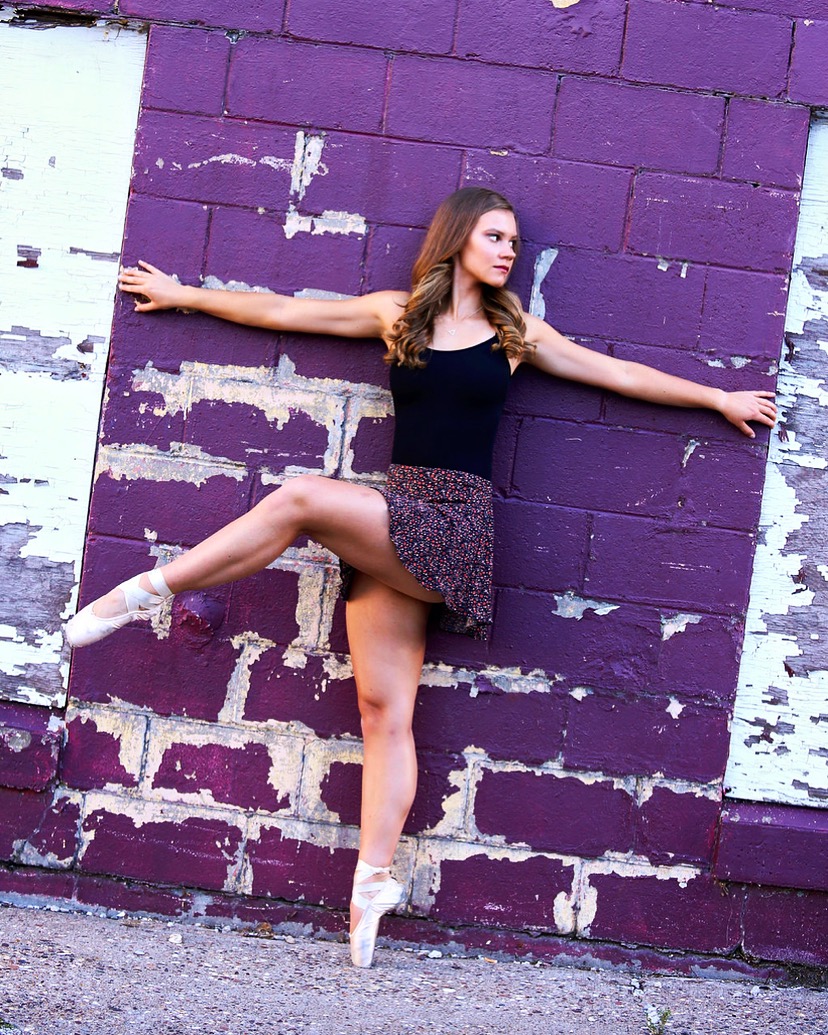
Emma Tews (23BSN) grew up dancing. Other extracurriculars came and went, but dance was her constant outlet. Wanting to keep that constant during nursing school, the Quad Cities, Iowa native continued dancing at the UI, eventually minoring in both dance and French. “I think doing dance alongside nursing was a really interesting contrast,” she says, “and they complimented each other really well.” For Tews, dance was a time to decompress and process the huge amounts of information she was learning in her nursing classes.
“The didactic coursework I would take and digest in the studio,” Tews recalls, “but then, when I was in my practicum, it was more thinking about ‘what have I learned from dance that I can use here?’”
One of the answers was the importance of gestures and body language. “In dance, we talk a lot about the communication of movement, and what does it mean to move this way versus this way, and what does that communicate,” Tews says. “It was really body language and how to come into a space. As a nurse, one of the most important things that you can do is come into a space and know how to act, to really be the best person for that space and how to acclimate to whatever situation is going on.” As a NICU nurse, Tews finds this especially helpful when working with parents. “They are some of the most scared people in the hospital,” she says, “so knowing how to navigate those situations and how to be that calm, reassuring voice for them, in that moment” is where she uses the skills dance taught her.
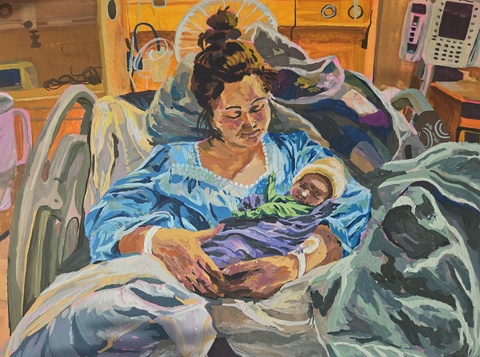
Communication was also a key takeaway for ER nurse Delaney Nesmith (24BSN) from her minor in art history. “A lot of what you learn in art is how to correctly express the emotion you’re trying to convey,” Nesmith says. That training has proved helpful in nursing because “sometimes you're going to need to talk to someone and get your point across immediately and correctly. You're going to need to get the intention down as well. A big part of nursing is not just knowing what's going on but being able to convey that to someone at any level.”
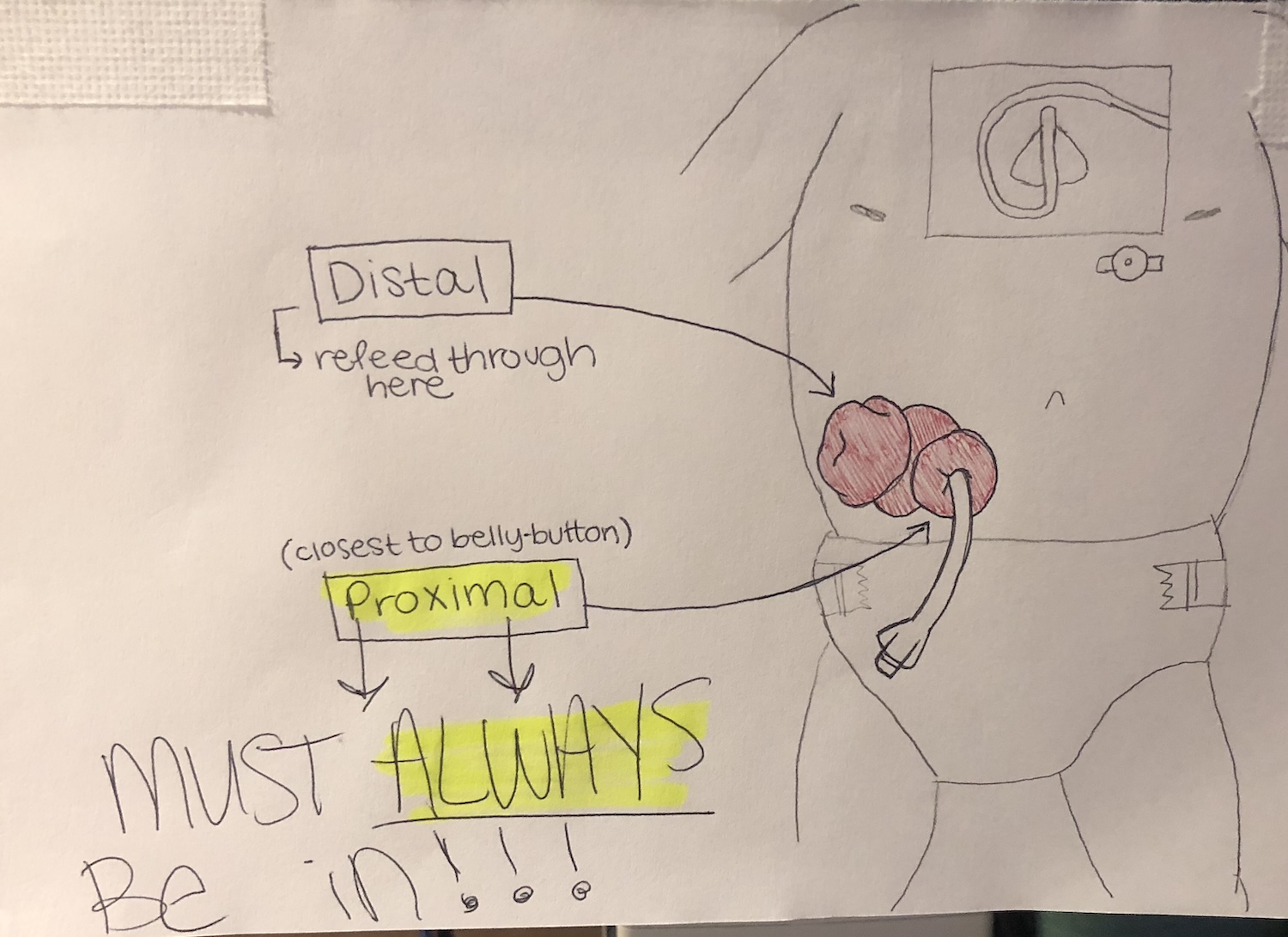
During her pediatric rotation, Beth Weaver (18BSN) watched a provider struggle with writing clear instructions regarding loop colostomy drainage tubes. If one became dislodged it was a medical emergency, while the dislodgment of the second tube was not. When words like right and left failed to clearly explain the situation, Weaver used her skills as a painter to draw a diagram and marked which tube was which.
The College of Nursing was all about 'tools in our toolbox'. [Art] is simply another tool that I have at my disposal to help explain things to patients, to coworkers, to physicians – anyone who needs it.
She heard from her preceptor a few days later that the provider was “over the moon” with her diagram and how clearly it laid everything out. For Weaver, thinking visually offers a different viewpoint. It's not something that other people lack, she says, but just not the first solution they would jump to when confronted with a problem. The College of Nursing was “all about ‘tools in our toolbox’,” Weaver says. “It is simply another tool that I have at my disposal to help explain things to patients, to coworkers, to physicians—anyone who needs it.”
WIDENING THE WORLDVIEW
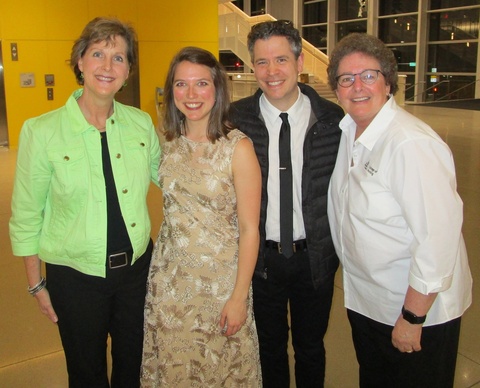
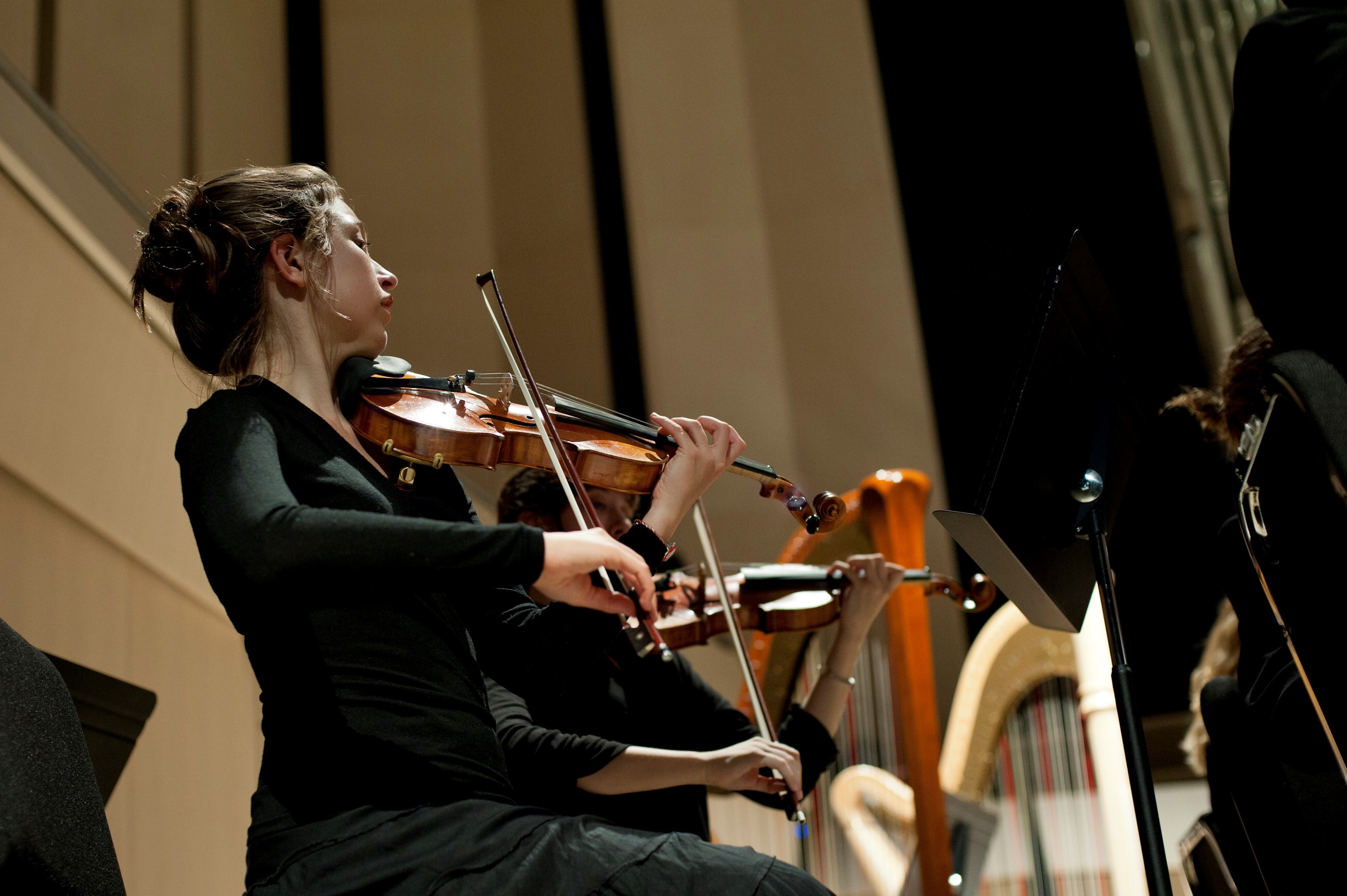
Amalia Magness (20BSN) started playing violin at age three and, although she knew she didn’t want to be a professional musician, she was determined to double major in music. Not many places would support a double major in music and nursing, but Iowa helped her put together a plan and execute it; in five years, Magness graduated with both a music performance degree and a BSN.
Magness credits her success in the finer parts of nursing to being a musician. “You definitely learn attention to detail,” she says, “because you're always thinking about how small things that you're doing fine motor-wise can be better. My attention to my documentation comes naturally to me because of my music background.” Memorization also comes easily, thanks to her years of memorizing music.
But one of the biggest ways music prepared Magness for nursing was the wide breadth of people she worked with. “You get a lot of practice in music, especially in violin, of working with people,” she says. “Just about everything is in orchestra, quartets or small groups, so you just get really good at working with a large number of different personalities and different kinds of people.”
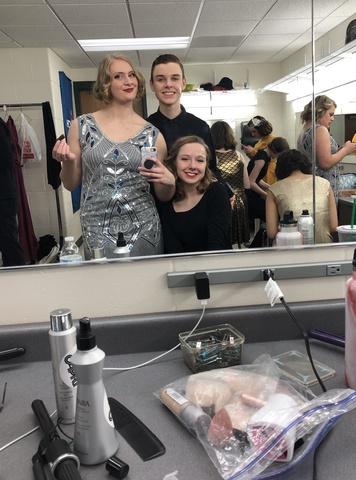
Emily Zartman (24BSN) developed a similar skillset with her minor in theatre. Wanting to stay connected to the joy that being in theatre productions brought her while growing up in Dubuque, Iowa Zartman says she met a lot of different people while completing her minor in theatre, and that broadened her views. “It helped me build my idea that you have all types of people in the world and all types of individuals with their own stories,” she says. “It was expanding my worldview.” That was helpful in nursing, Zartman says, because you need to be open to understanding more about [people] and their experiences.
Associate clinical professors Amalia Gedney-Lose (13BSN, 17DNP) and Ann Weltin used an art-based activity to expand the worldview of their family nurse practitioner students and deepen their understanding of how social determinants of health (SDOH) impact their patients. Working with the Stanley Museum of Art, they chose different pieces of art that exemplify different aspects of the lived experience for the students to engage with.
The idea was to get the students thinking about what kind of things in their patients’ environment could impact their health. “When our patient comes to us, we see them in this bubble right there in our setting,” Gedney-Lose says, “but do we really understand their setting and where they live and what they have access to?”
When our patient comes to us, we see them in this bubble right there in our setting, but do we really understand their setting and where they live and what they have access to?
After spending time looking at the art, students were assigned a particular SDOH to consider. They were tasked with creating a podcast to talk about their experiences looking at the art - what their feelings were, how they interpreted it, assumptions that they made, and how to challenge those assumptions. For maximum impact, the activity was carefully timed for FNP students nearing graduation. In their 2025 article in the Journal for Nurse Practitioners, Weltin and Gedney-Lose write, “This felt like an appropriate time to incorporate didactic and clinical knowledge as well as lived experiences into an activity that required meaningful reflection on their knowledge, skills, and attitudes." Gedney-Lose and Weltin prompted the students to make connections and think about the impact in other places of their life and practice. “It is fun to hear their thought processes,” Gedney-Lose says. “A lot of them will say, ‘oh yeah, I've actually seen this when I'm taking care of a patient in the ICU. They recognize the person didn't just end up in the ICU, there's a whole series of events and factors that happened before they got there, and that is where we, as primary care providers, are really trying to improve health outcomes.”
THE 5-9 AFTER THE 9-5

Casey Gartlan (20BSN) didn’t set out to have more than 500,000 social media followers, but art she started making while a student at the College of Nursing helped lead her there.
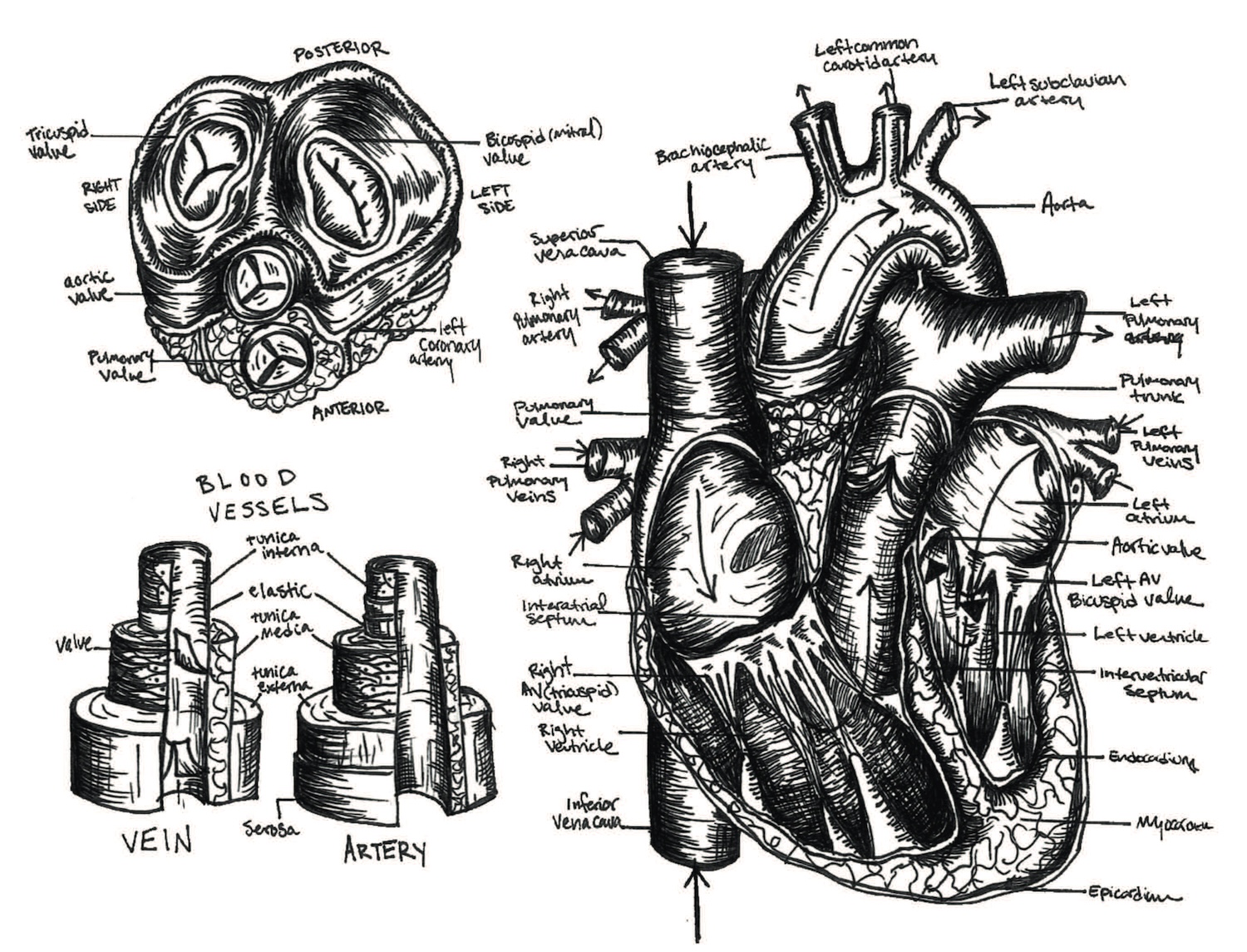
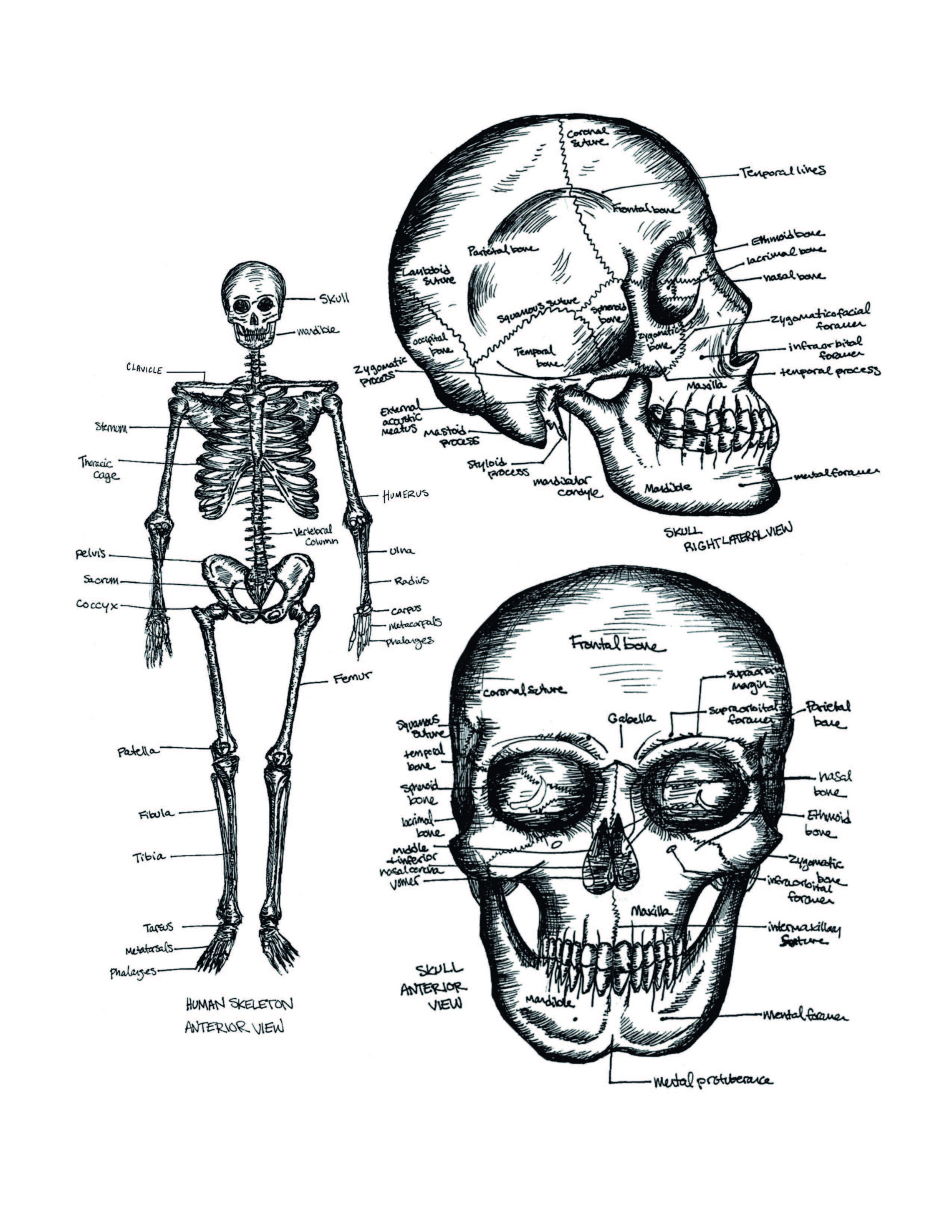
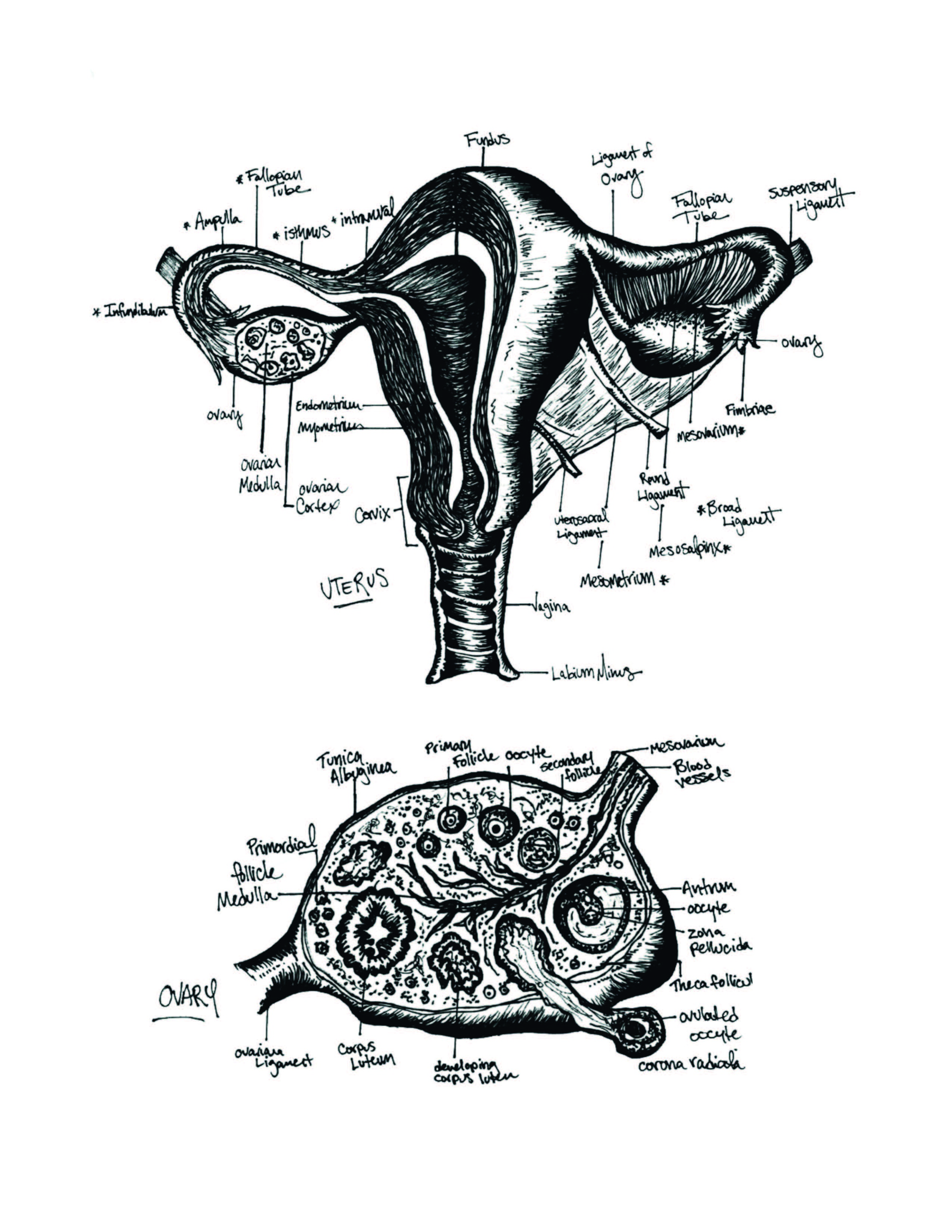
“I started drawing anatomy diagrams while procrastinating studying for anatomy class. I ended up making posters and gave them out to a couple friends,” Gartlan says, and people really liked them. She made more posters and laptop stickers, launched an Etsy store for online sales, and even sold them in downtown Iowa City boutiques.
After graduation, Gartlan explored a variety of nursing specialties, including short-term contracts in psych, corrections, and school nursing, before becoming a nurse case manager about two years ago.
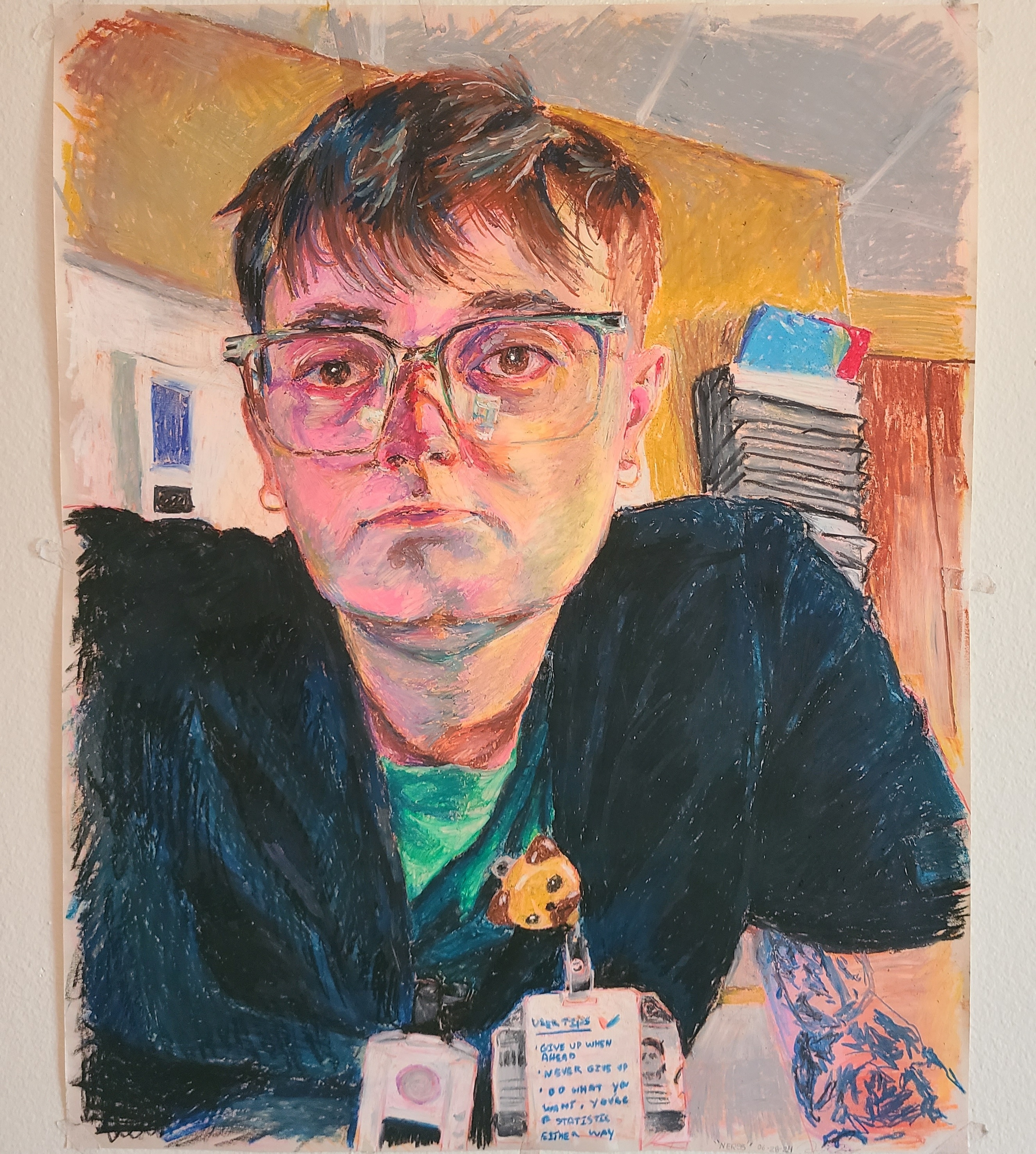
Gartlan’s art took a back seat during this time, but after her father passed away in 2024 she began drawing with oil pastels to help process her grief. Gartlan describes oil pastels as a quick medium with minimal set up that is easy to work in to your daily routine. In June 2025, she recorded herself drawing with pastels and posted it to Instagram and TikTok. “It kind of blew up,” she recalls. “It had over 10,000 views and … I didn’t expect that when making the video. I started posting every day and it just spiraled from there.”
These days, in addition to creating, editing, and posting drawing videos, she has a mail order print club, collaborates with pastel and art supply brands, and creates tutorials for YouTube. “It's a lot of moving parts for one person,” Gartlan says, adding “[i]t's really a part-time full-time job; my five to nine after my nine to five. But I can’t not do it. I want to do it.”
A DIFFERENT WAY OF SEEING
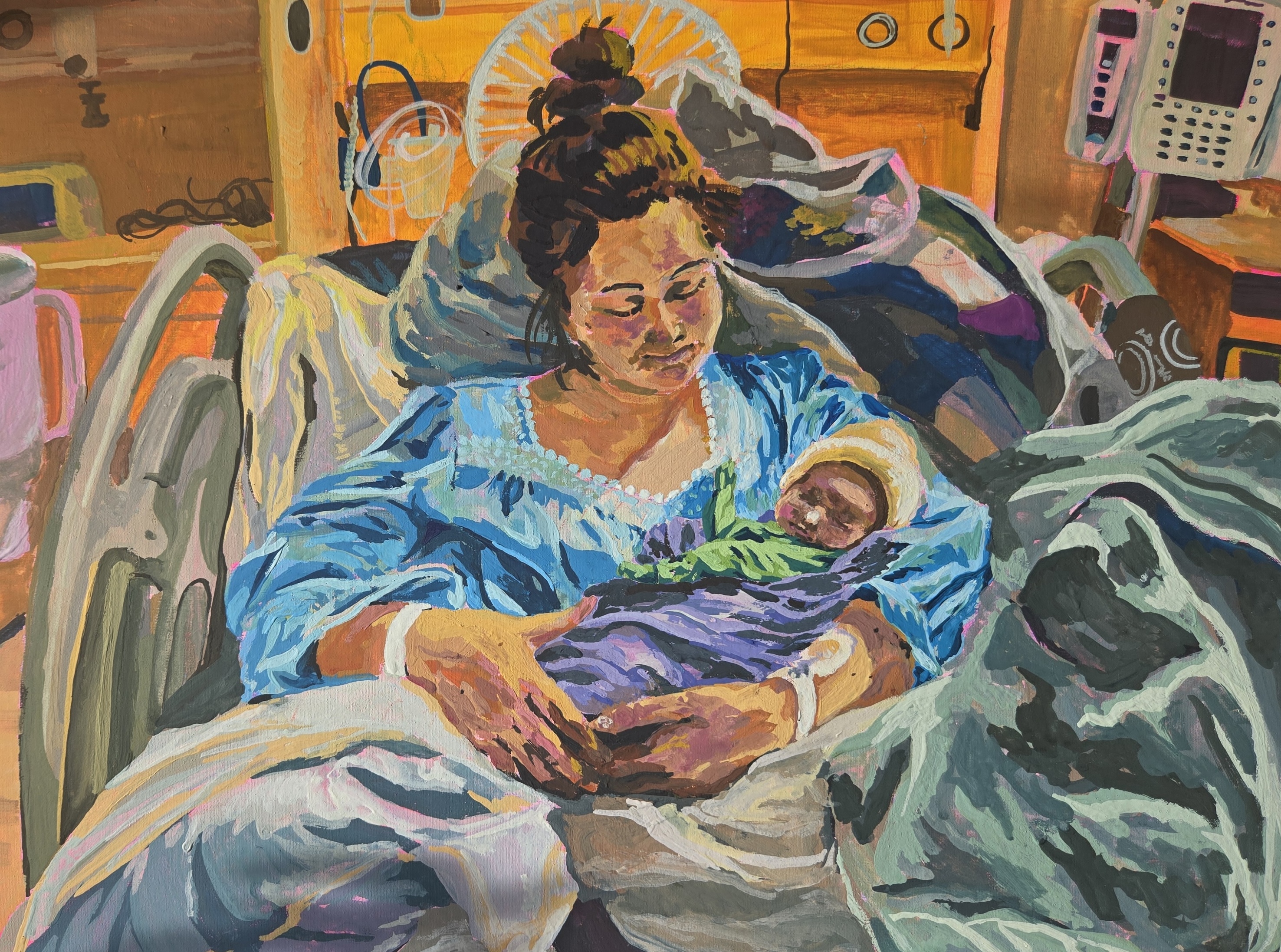
Jen Wittman (12BFA, 19DNP) came to Iowa wanting to be a dentist and left with a Bachelor of Fine Arts in painting. “I wasn't as focused as a student as I was later in life and so ended up taking an art class and happened to be pretty good at it,” the Ashbury, Iowa native recalls. “So, I switched my major over to art and did my emphasis in painting.” She then worked in car sales for a few years before returning to the idea of a career in healthcare.
I see things in composition and color, and that's how I would paint. When I’m walking into an assessment, I'm seeing the human as volume and shape and form.

Now a dually certified family nurse practitioner and psychiatric-mental health nurse practitioner, Wittman finds that her experiences in art and nursing go hand in hand.
“I see things in composition and color, and that's how I would paint,” she says. “When I’m walking into an assessment, I'm seeing the human as volume and shape and form.
I'm not a small detail person. I paint abstractly, I think of humans abstractly, and I think outside the box. I'm the idea person, coming up with new things, and I think there's a definite benefit to that in nursing. We need detailed people, don't get me wrong, but being able to step back and see an overview of something is how I approach nursing and my role as a provider.”
Her creative thinking has proven useful in creating new processes, shaping new roles, and building on the dual model in a system that is not set up for integrated practitioners.
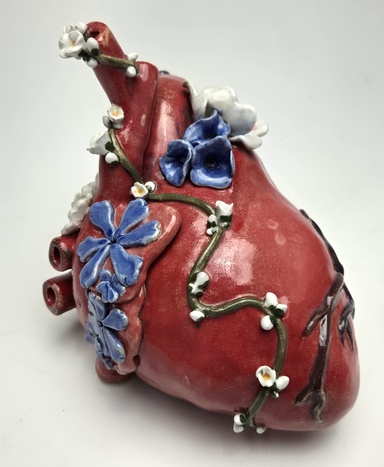
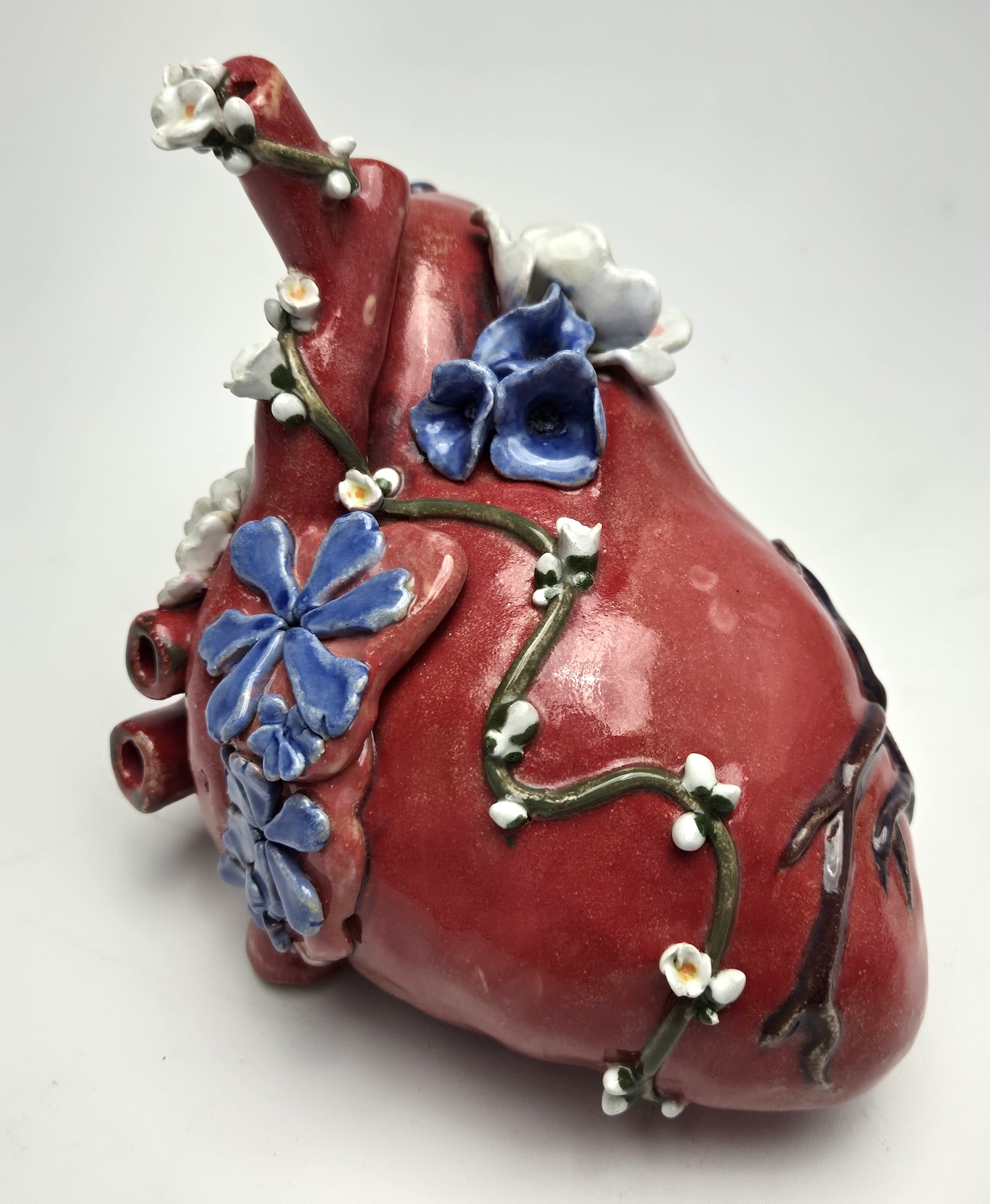
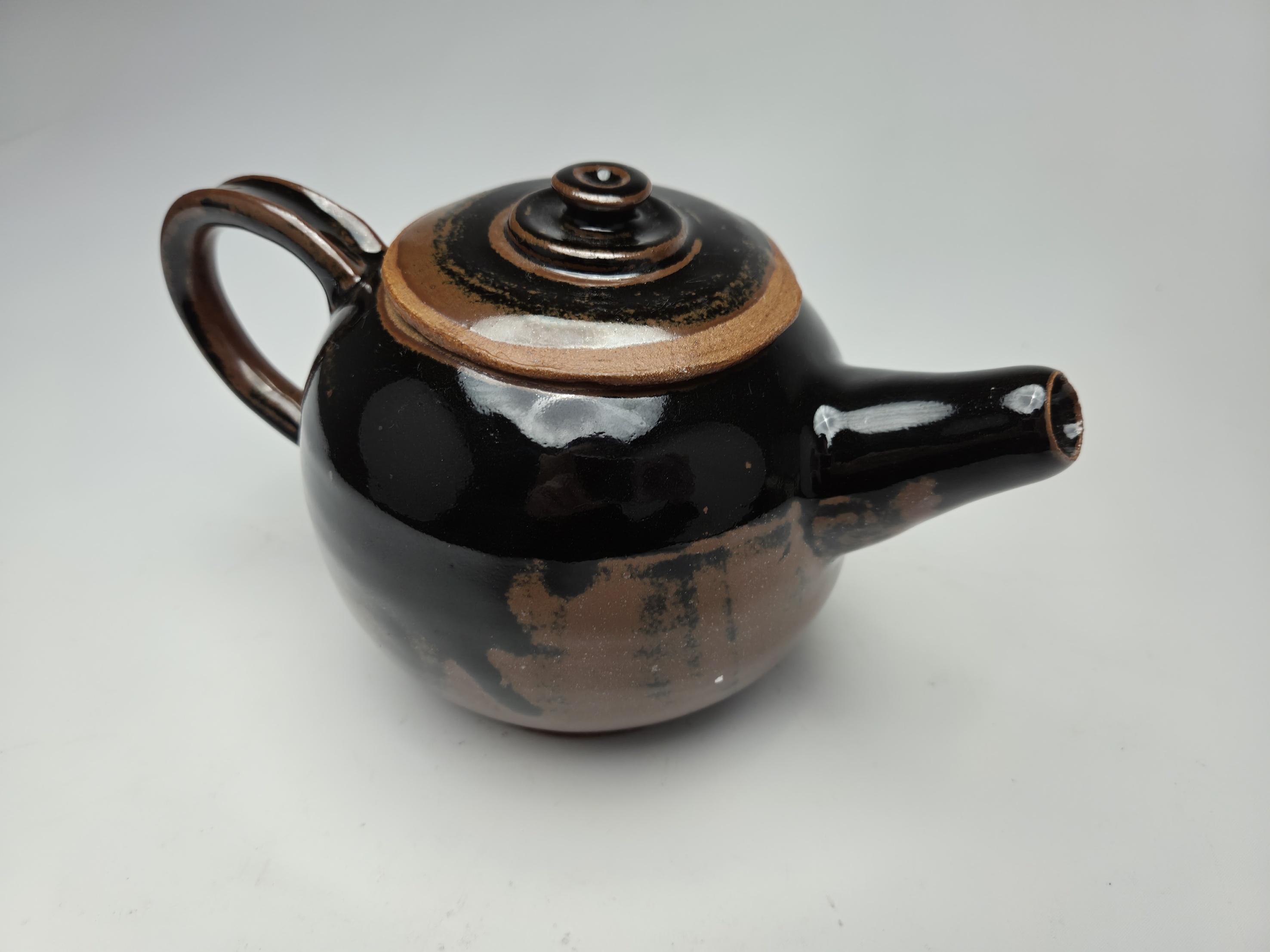
Although it wasn’t her intention, Grace Zugg (24BA, 26MSN) also entered the nursing world after earning an art degree. The Des Moines, Iowa native was an avid ceramicist in high school and continued taking art classes when she came to Iowa as a nursing interest student. Zugg’s path did not immediately lead her into nursing and she earned her undergraduate degree in art. However, knowing she still wanted to be a nurse, Zugg then entered the Master of Science in Nursing Entry into Practice program. She graduated with her MSN in August.
Zugg says art history classes expanded her worldview and increased her understanding of different people and cultures as the learning progressed from simply describing the art to examining it and the significance it holds in a culture. She also learned to visually analyze art, writing down everything about it. “It teaches you how to carefully observe an object and how to accurately describe it,” Zugg says, likening it to an assessment.
Zugg has also found that the physical skills of working with clay and using her hands and body are useful as a nurse. “I use a needle on my pottery with my ceramics, so I can hold a needle at an angle and put it in something where I can’t see,” she says. “It’s kind of similar to inserting an IV.”
A formal education in the arts was helpful for Zugg in nursing school because it went beyond “just creating [art pieces] to understanding the process behind them,” she says. “It’s like exploring the world through the lens of art. Nursing explores the world and explores people, but it's from a very scientific perspective. Art is just a different perspective.”
Read more from the 2026 Iowa Nursing magazine
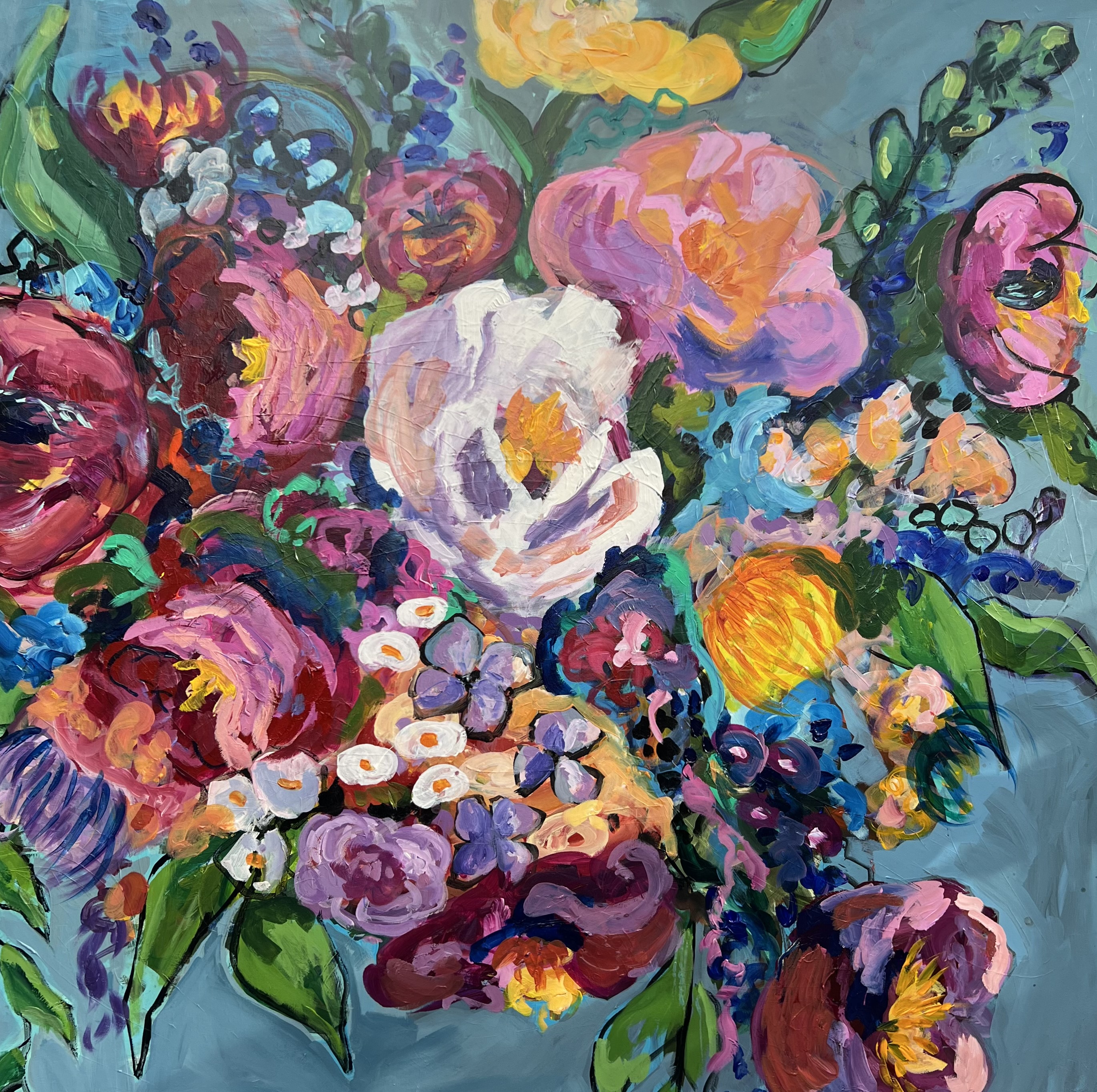
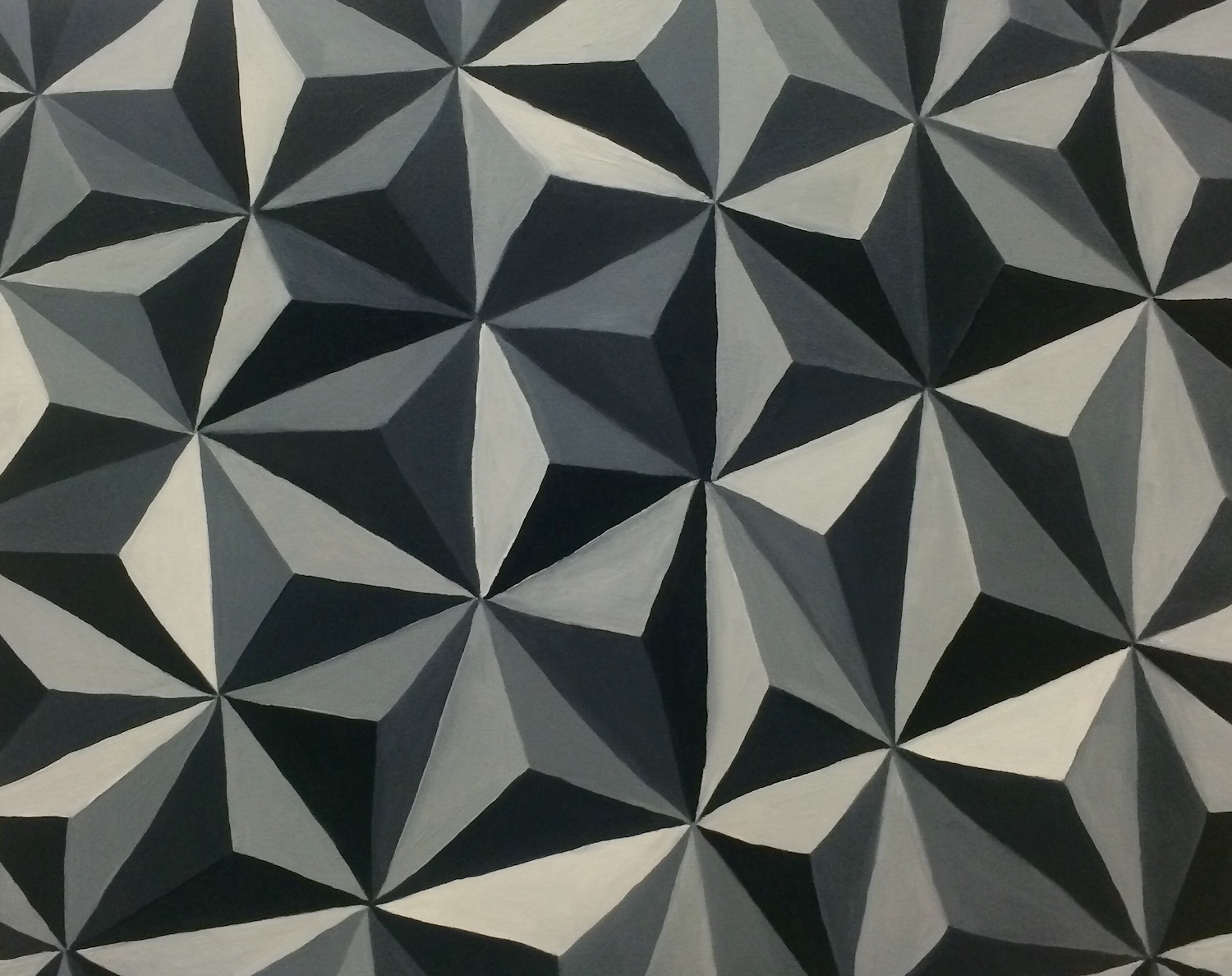
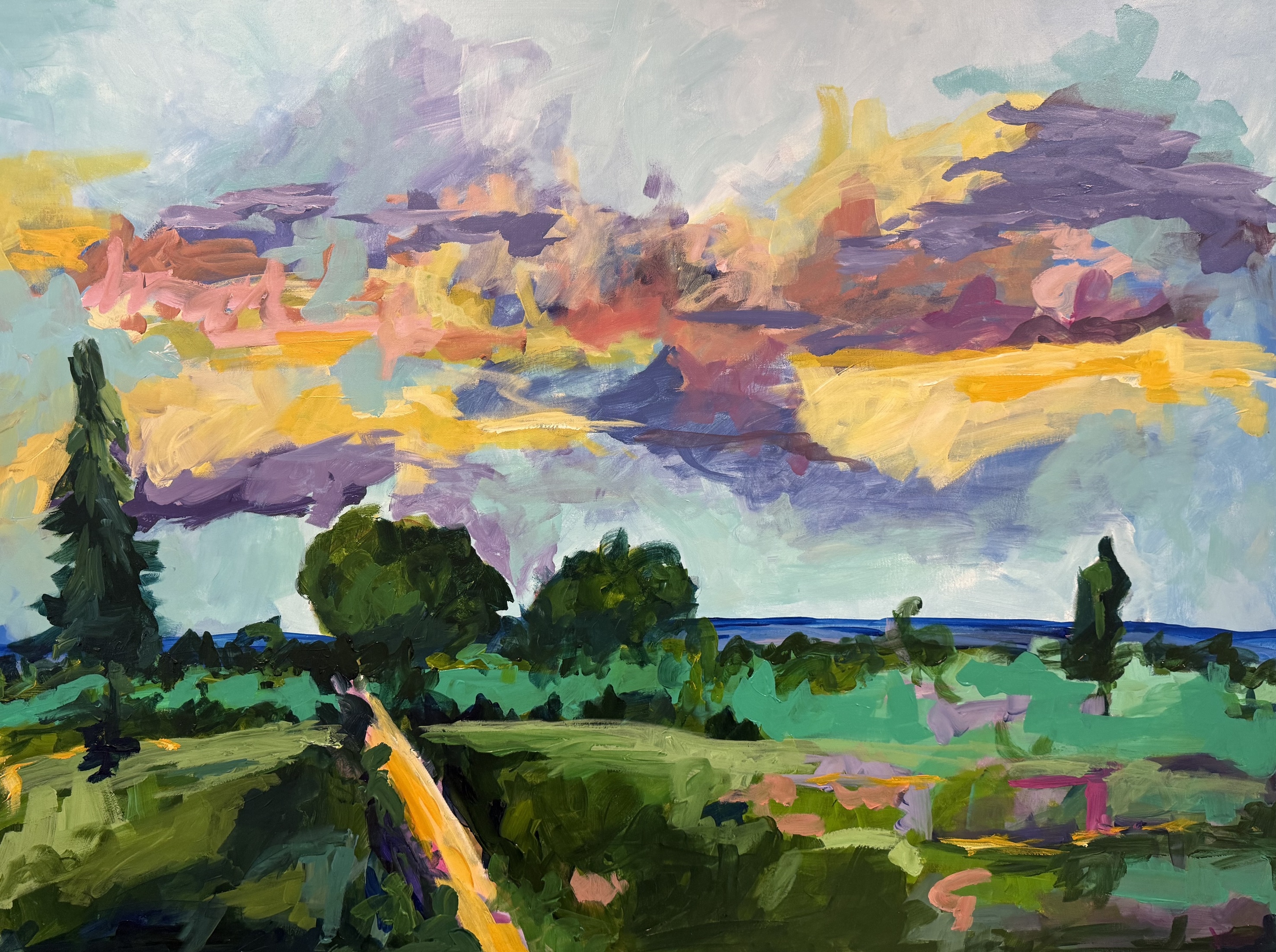
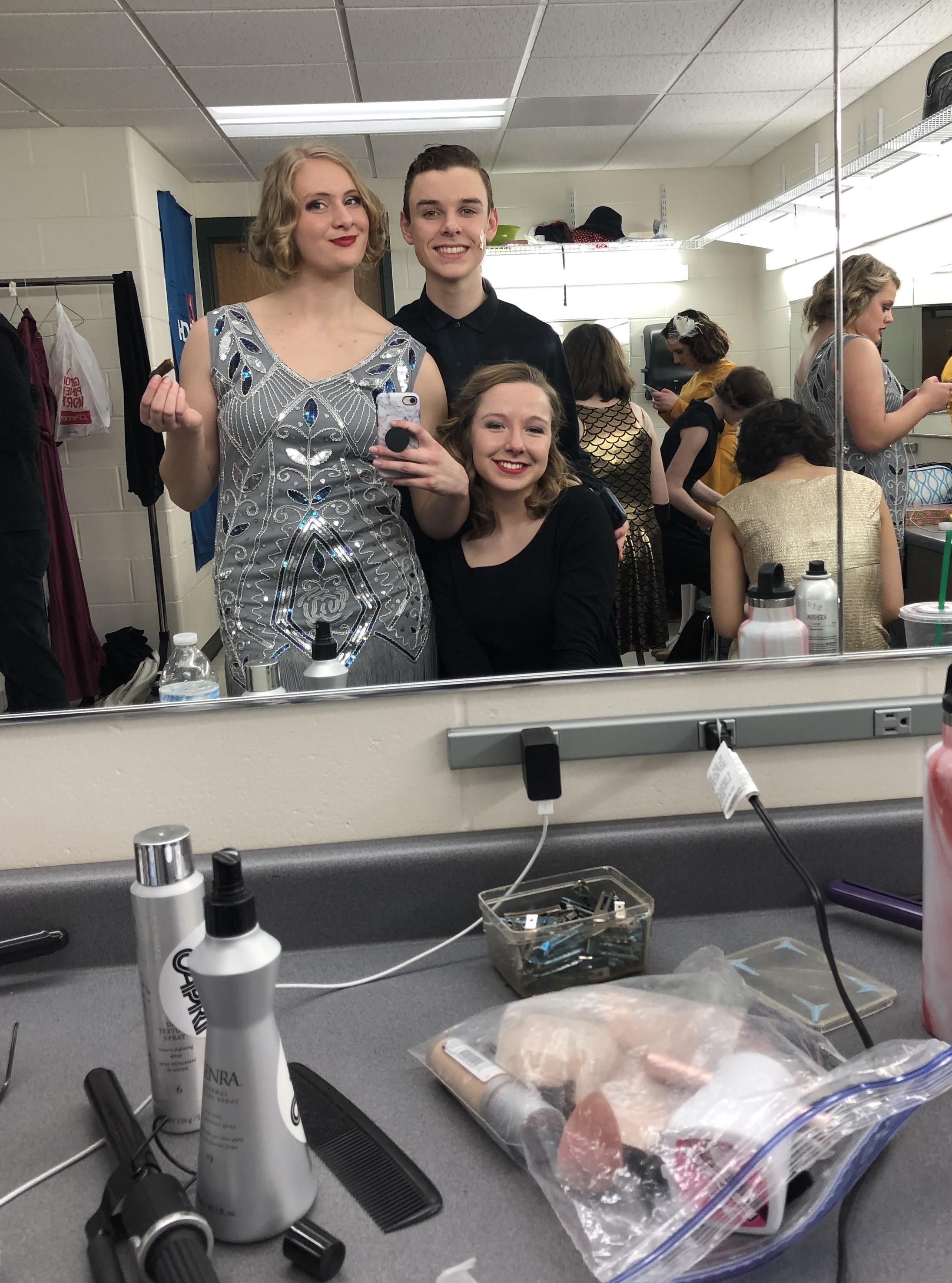
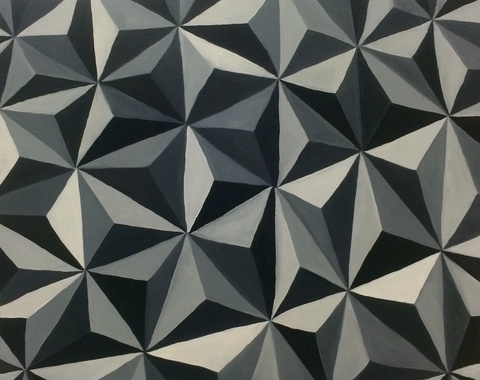
The gallery below features work from the artists interviewed for this piece. This work remains the copyright of the artists and should not be used without explicit permission.